


How to Enjoy Orlando Halloween Treats Without Wrecking Your Dental Work
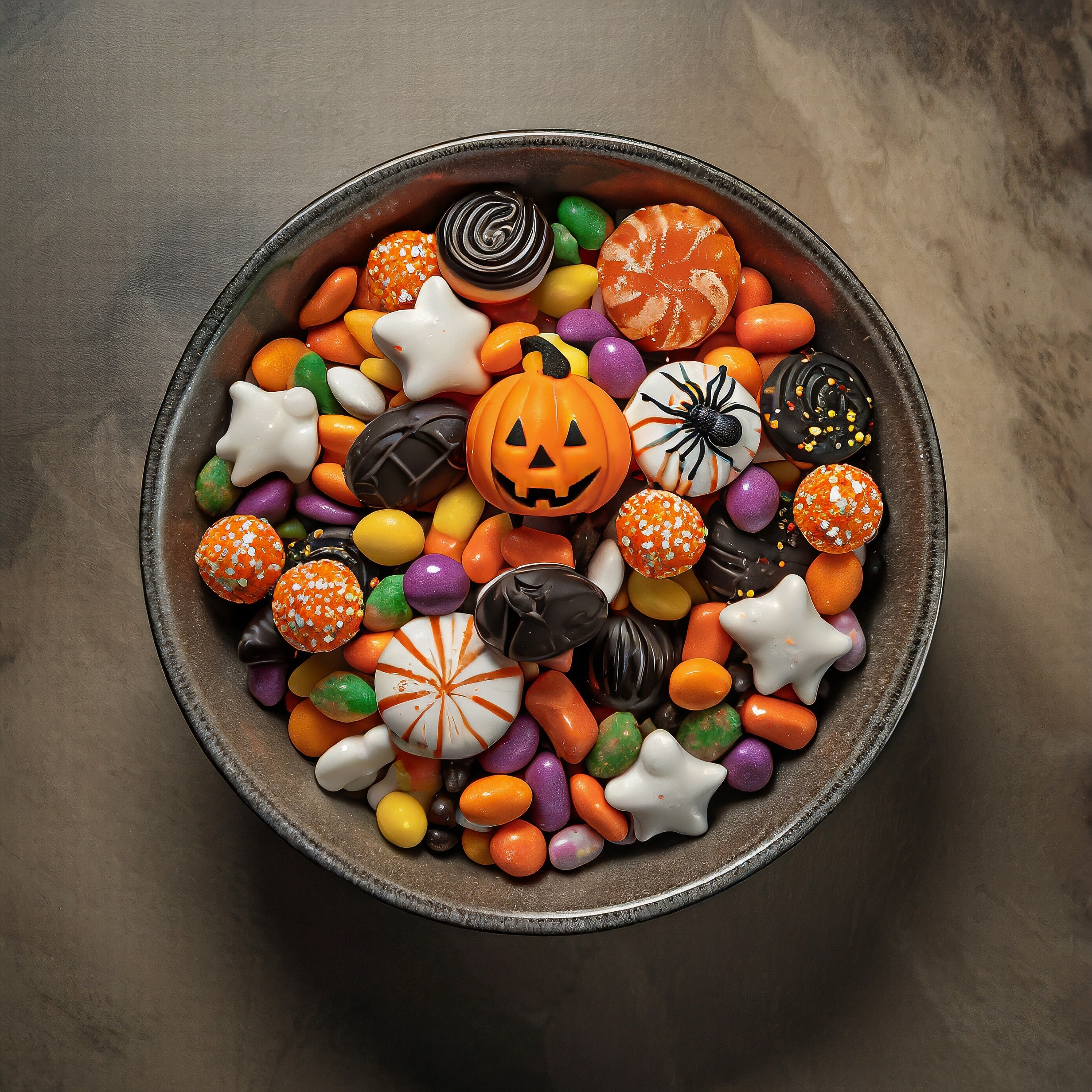
Halloween is a time for costumes, parties, and plenty of candy, but patients with crowns, fillings, bonding, implants, or other dental work may need to be a little more selective about what goes into the treat bag. Certain sticky or hard candies can place extra stress on restorations, while frequent exposure to sugar can increase cavity risk around natural tooth structure.
At Woodbury Family Dentistry in Orlando, we want patients to enjoy Halloween without unnecessarily putting their dental work at risk. A few simple choices can help protect both restorations and natural teeth.
Why Can Halloween Candy Be Hard on Dental Work?
Dental restorations are designed to withstand normal biting and chewing forces, but they are not indestructible. Hard candies can create concentrated pressure on a crown, filling, veneer, or bonded tooth if you bite down forcefully.
Sticky treats present a different problem. Caramels, taffy, and gummy candies can cling to teeth and restorations. In some cases, particularly when existing dental work is already loose or worn, sticky foods may contribute to a restoration becoming dislodged.
Sugar also matters because bacteria in the mouth use carbohydrates to produce acids that can contribute to tooth decay. The restoration itself may not develop a cavity, but the natural tooth around it still can.
Which Halloween Treats Require Extra Caution?
You do not have to skip every sweet in Orlando this Halloween. It helps to know which treats deserve more caution:
Hard candies that are tempting to bite or crunch
Sticky caramels, taffy, and gummy candies
Popcorn kernels that can unexpectedly stress a tooth or restoration
Very chewy treats that cling around crowns or fillings
Candy eaten continuously throughout the day rather than with a meal
Chocolate that melts easily is often less sticky than caramel or gummy candy, although it still contains sugar and should be enjoyed in moderation.
Does Timing Your Treats Make a Difference?
Frequently snacking on candy throughout the day repeatedly exposes teeth to sugar. Instead, consider enjoying Halloween treats with or shortly after a regular meal.
Saliva flow increases during meals and helps clear food particles and neutralize acids. Drinking water afterward can also help rinse away leftover sugars and candy residue.
This approach does not make sugary foods harmless, but it can reduce the amount of time your teeth are repeatedly exposed compared with grazing on candy for hours.
Keep Brushing and Flossing Consistent
Halloween should not interrupt your normal oral hygiene routine. Brush twice each day with fluoride toothpaste and clean between your teeth daily.
Pay particular attention around crowns, bridges, fillings, implants, and other restorations where plaque can accumulate along the margins or gumline. If candy becomes trapped between teeth, floss gently rather than using sharp objects to remove it.
If you wear clear aligners, remove them before eating candy or other foods. Clean your teeth before placing your aligners back in so sugar and food debris are not trapped against the teeth.
What If a Crown or Filling Breaks?
If a crown, filling, veneer, or bonded area chips, breaks, or comes loose, avoid chewing on that side and contact your dentist. Do not attempt to permanently glue a restoration back into place yourself.
Even if the tooth does not hurt, damaged dental work can expose underlying tooth structure or allow the problem to worsen. Prompt evaluation helps us determine whether the restoration can be repaired or needs replacement.
Pain, swelling, significant sensitivity, or a sharp broken tooth also deserves timely dental attention.
Enjoy Halloween Without Sacrificing Your Smile
Protecting dental work does not mean skipping Halloween altogether. Choosing less sticky treats, avoiding biting hard candy, limiting frequent snacking, and maintaining good oral hygiene can help you enjoy the season while taking care of your smile.
If a Halloween treat damages a crown, filling, bonding, or other restoration, or if you are due for a dental exam, contact Woodbury Family Dentistry at 12278 East Colonial Dr, Suite 100, Orlando, FL 32826 by calling (407) 502-5300.


Hours
- Monday 9:00 AM - 5:00 PM
- Tuesday 9:00 AM - 5:00 PM
- Wednesday 9:00 AM - 5:00 PM
- Thursday 9:00 AM - 5:00 PM
- Friday 9:00 AM - 1:00 PM
- Saturday Closed
- Sunday Closed
© 2026 Woodbury Family Dentistry. All Rights Reserved. Accessibility Statement - Privacy Policy - Sitemap
Powered by
